
Get Your Dog Ready for the Spring Hunting Season
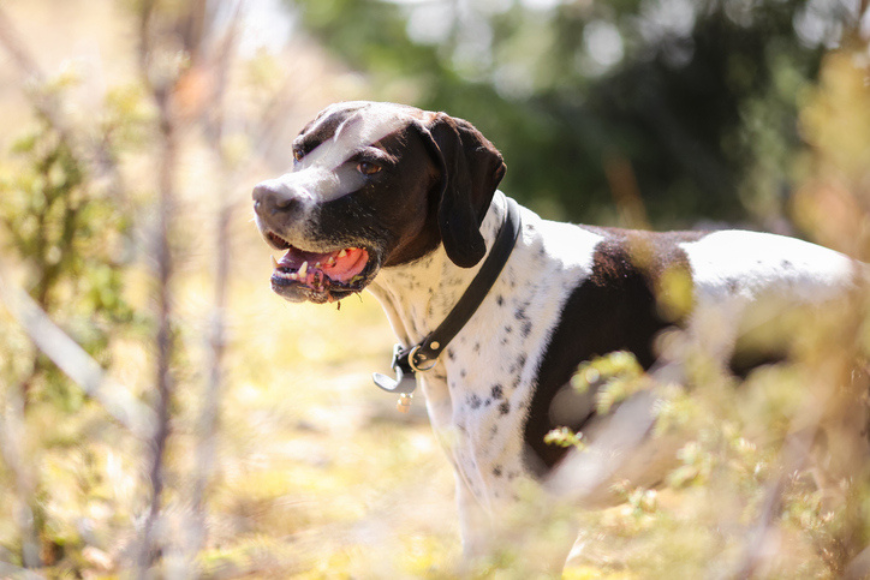
Spring hunting season is closer than you think. Making the transition from offseason to an active spring season takes planning and intentionality to make sure your hunting dog is primed and ready to get to work by your side.
Get a Check-up
Hunting dogs’ bodies have a lot of demands placed on them. Make that vet appointment to get a health assessment for your dog. In addition to updating vaccinations, make sure your dog is protected against parasites they might encounter. A full exam includes checking joints, heart, teeth, lungs, and their overall condition. Older hunting dogs may need bloodwork or other preventive screenings.
Start Conditioning
It takes time to build up stamina, strength, and agility. Begin slowly, with short, lower-intensity sessions, and work up to more intense levels of activity. Getting out in real-world hunting locations helps your dog adapt to changes in the environment. This could mean swimming, running, and long field walks or runs in different kinds of terrains. (These are good cardio workouts for both of you!)
Adjust Nutrition
High-performance dogs need a different level of nutrition. They need diets rich in protein and fat to sustain energy over time. Protein helps maintain muscle, repair tissue, and support stamina. Make sure your dog’s food contains these ingredients that aid in recovery after a long, active session:
- Glucosamine + Chondroitin: Help keep your dog’s joints strong and flexible, which is essential for active pups.
- Omega-3 + Omega-6: These fatty acids nourish skin and promote a soft, shiny coat while reducing inflammation.
- Prebiotics + Fiber: Support gut health, improve nutrient absorption, and help support digestion on and off the trail.
Read more about What Makes an Active Dog’s Diet Different?
Hone Training Skills
Practicing and improving your dog’s tracking and retrieving skills is critical for a good hunt.
- Introduce them to different target scents and movements through controlled set-ups that gradually get more complex.
- Practice hand signals and silent communication to maintain stealth.
- Practice giving commands in the different kinds of environments you’ll be hunting in. Gradually introduce distractions so your dog learns how to focus on you and obey quickly.
- Keep training sessions positive with rewards and play time. This keeps your dog motivated and builds that important bond between the two of you.
Whether you’re gearing up to hunt for waterfowl, turkeys, upland birds, or something else, make your spring hunting season productive with a smooth transitional plan that gets your dog ready to adventure with you.